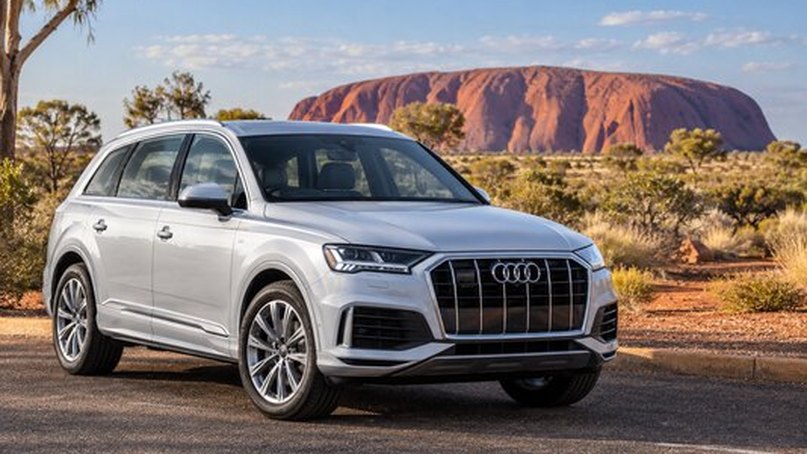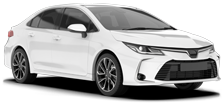
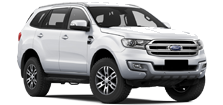
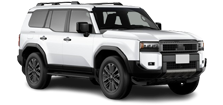

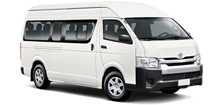
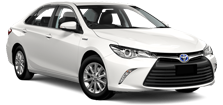

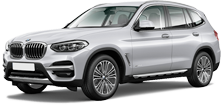

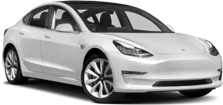
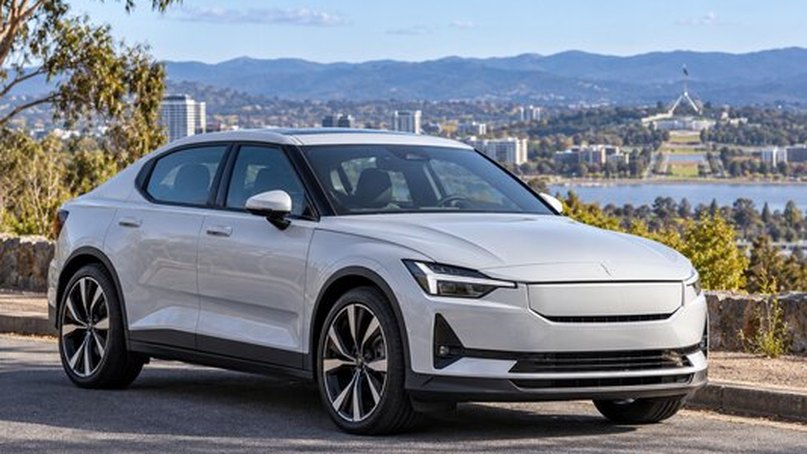
An economy car is the cheapest way to get around. An SUV gives you space, a higher seat and comfort on long drives. Which one is better depends on how many of you there are, how much luggage you carry and where you are going.
At a glance
1Side by Side
| Economy car | SUV | |
|---|---|---|
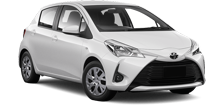
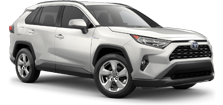
| Typical models | Toyota Yaris, Kia Picanto, MG3 | Toyota RAV4, Mazda CX-5, Hyundai Tucson |
| Seats | 4–5 | 5 |
| Luggage | 1 large + 1 small | 3–4 large |
| Fuel use | 5–6 L/100 km | 8–9 L/100 km (hybrids less) |
| Parking | Easiest | Harder in old city car parks |
| Best for | Couples, city trips | Families, road trips |
2Choose an Economy Car If...
- You are one or two people with carry-on or one suitcase.
- You will mostly drive in cities and on short day trips.
- You want the lowest daily rate and fuel bill.
- You need to park in tight city streets and old car parks.
Also read: Economy car rental in Australia
3Choose an SUV If...
- You are a family or group of four or five with full-size suitcases.
- You will spend long days on the highway.
- You want a higher driving position and more comfort.
- You need room for a pram, golf clubs or ski gear.
Also read: SUV rental in Australia
4Fuel Cost Comparison
At the October 2026 national average of about 242c a litre for unleaded, the fuel difference between an economy car and an SUV is noticeable on a road trip.
| Distance | Economy (5.5 L/100 km) | Mid-size SUV (8.5 L/100 km) | Difference |
|---|---|---|---|
| 500 km | About A$67 | About A$103 | About A$36 |
| 1,000 km | About A$133 | About A$206 | About A$73 |
| 2,000 km | About A$266 | About A$411 | About A$145 |
Calculated at 242c a litre. Real fuel use depends on speed, load and terrain.
5Luggage Reality Check
Measure your luggage before you choose. An economy hatch typically fits one large suitcase and a small bag with the rear seats up. A compact car or compact SUV takes two large suitcases. A mid-size SUV takes three or four. Families with a pram, a car seat and beach gear quickly fill a small car, and an uncomfortable week costs more in stress than the price difference.
6Our Quick Recommendations
| Travellers | Trip | Suggested car |
|---|---|---|
| Solo or couple, light bags | City break, short day trips | Economy |
| Couple, two suitcases | Road trip on sealed roads | Compact car or compact SUV |
| Family of four | Week-long road trip | SUV or 7-seater |
| Group of six to eight | Any | 7-seater or people mover |
| Anyone | Long highway days, fuel-conscious | Hybrid sedan or hybrid SUV |
Also read: Compact SUV rental in Australia
7Parking and City Driving
If you will spend time in city centres, a smaller car is much easier. Older inner-city car parks have tight ramps and low ceilings, street parking spaces are short, and some hotels charge more for large vehicles. SUVs come into their own on long highway days, on steep mountain roads and when you need space.
8A Middle Option: Compact SUV
A compact SUV such as the Hyundai Kona or Mazda CX-30 costs only a little more than a compact car and fits two large suitcases. It is a good compromise for couples on a road trip.
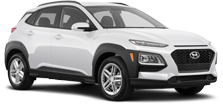
An SUV is not a 4WD. Most rental SUVs are front- or all-wheel drive, and the agreement still excludes unsealed roads.
Frequently Asked Questions
Is an SUV worth it for an Australian road trip?
For families or anyone with several suitcases, yes. For two people with light luggage, a compact car or compact SUV is usually enough.
How much more does an SUV cost to rent?
It depends on the dates and supplier, but SUVs usually cost more per day than economy cars and use more fuel.
Can I take an SUV on dirt roads?
Usually not. Most rental agreements exclude unsealed roads unless you rent a permitted 4WD.
What is a compact SUV?
A small SUV such as the Hyundai Kona, with a higher seat and a bigger boot than a hatchback.
Summarize this blog with AI
Short on time? Open an AI assistant with this guide ready to summarize.
Australia Rent Car compares car hire from the top suppliers across Australia, with one-way trips, airport pick-ups and total prices side by side.