











Usually not. Most rental agreements in Australia prohibit unsealed roads, and damage on them is generally not covered by any insurance or excess reduction. There are limited exceptions for short access roads, and 4WD rentals that permit some unsealed routes.
At a glance
1What Counts as an Unsealed Road
Any road without a bitumen or concrete surface: gravel, dirt, sand or graded roads. In rural Australia they are common, and some lead to well-known sights. Your map app will not always tell you, so check the route before you leave.

2Typical Exceptions
Some suppliers allow short unsealed stretches. Redspot, for example, permits unsealed roads only for “the most direct access to a recognised accommodation, service station, or tourist attraction”. Off-road driving, beaches and paddocks are never allowed.
If your accommodation is down a gravel road, tell the supplier when you book and ask them to note it.
3What Happens If You Break the Rule
- Damage such as stone chips, tyre damage and underbody damage is usually not covered, even with excess reduction.
- You may have to pay the full cost of repairs and recovery, which in remote areas can be very expensive.
- Breaking the agreement can void other cover for the rest of the rental.
4Famous Places on Sealed and Unsealed Roads
| Destination | Access |
|---|---|
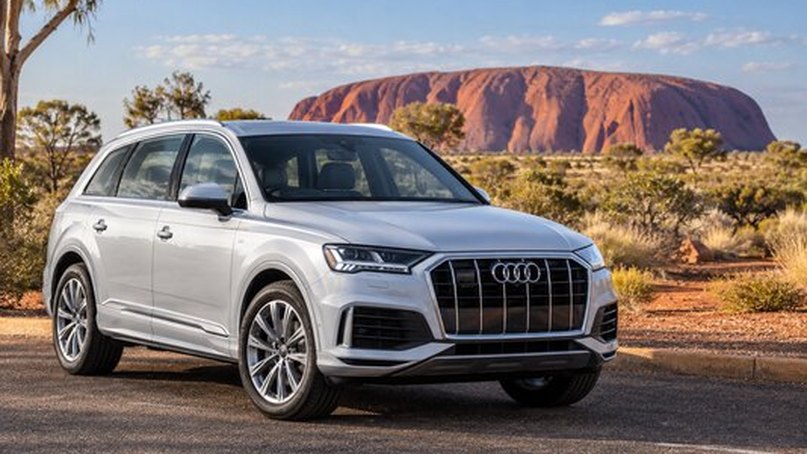
| Uluru and Kata Tjuta | Sealed |
| Kings Canyon via the Lasseter and Luritja highways | Sealed |
| Mereenie Loop (Kings Canyon to the West MacDonnells) | Unsealed, usually excluded |
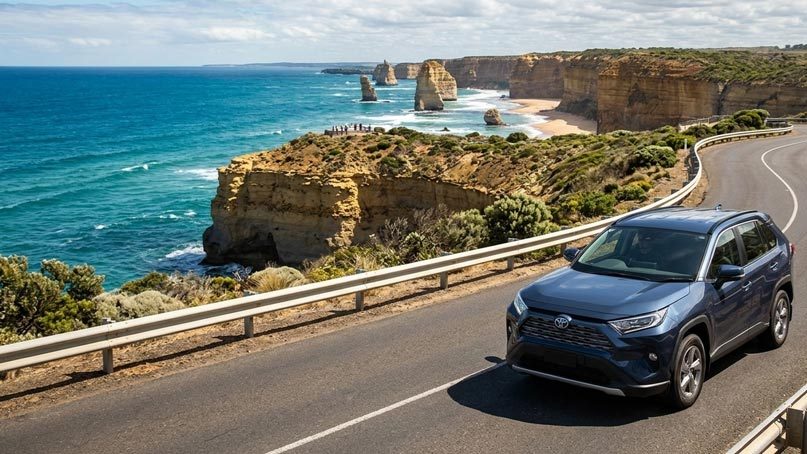
| Great Ocean Road | Sealed |
| Gibb River Road | Mostly unsealed, permitted 4WD only |
| Cape Tribulation | Sealed |
| Bloomfield Track north of Cape Tribulation | 4WD only, usually excluded |
| K’gari (Fraser Island) | Sand tracks, standard rentals not allowed |

5If You Need to Use an Unsealed Road
- Call the supplier first and ask whether that road is allowed; ask them to note it on your agreement.
- Drive slowly, especially on corrugations and loose gravel, and keep well back from other vehicles because of stones and dust.
- Avoid unsealed roads after rain.
- Check fuel, water and phone coverage before you go.
- Turn back if the road becomes rough; recovery costs in remote areas can be very high.
6Why Suppliers Exclude Unsealed Roads
Gravel and dirt roads cause chipped windscreens, punctures, damaged suspension and underbody damage, and remote breakdowns are expensive to recover. Standard cars are not designed for corrugations or deep dust, and drivers who are new to gravel can lose control on loose surfaces. That is why almost every standard rental agreement excludes them and why damage on them is not covered by insurance or excess reduction.
Ask the supplier before you go, not after. A short phone call can save thousands of dollars.
7When to Rent a 4WD
For routes such as the Gibb River Road, Cape York or Fraser Coast tracks, you need a 4WD from a supplier that permits that route, and you should confirm which tracks are excluded. Some suppliers in Cairns and Darwin offer 4WDs with permission for certain unsealed roads.

Also read: SUV vs 4WD rental in Australia: which do you need?
Frequently Asked Questions
Can I drive a rental car on a gravel road in Australia?
Usually not, except where the agreement allows short direct access to accommodation, fuel or an attraction.
Does excess reduction cover unsealed roads?
No. Damage on prohibited roads is generally excluded.
Can I take a rental 4WD on the Gibb River Road?
Only with a supplier that permits it. Many 4WD rentals still exclude certain tracks.
How do I know if a road is unsealed?
Check road authority maps and ask locally. Map apps do not always show the surface.
Summarize this blog with AI
Short on time? Open an AI assistant with this guide ready to summarize.
Australia Rent Car compares car hire from the top suppliers across Australia, with one-way trips, airport pick-ups and total prices side by side.