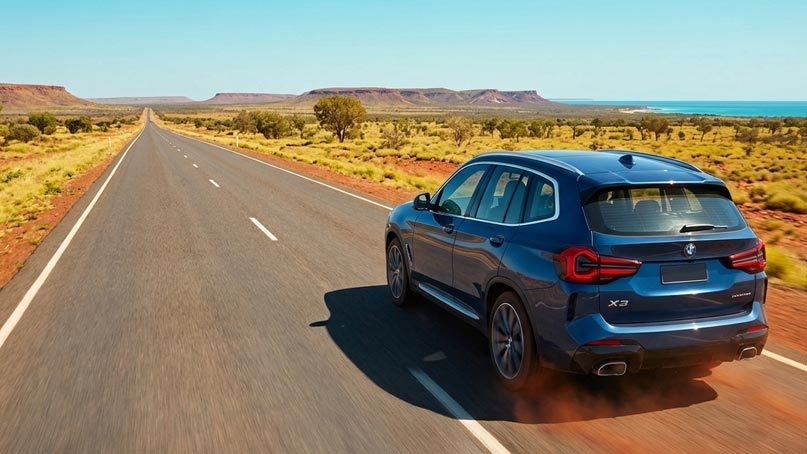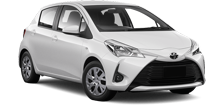

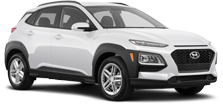





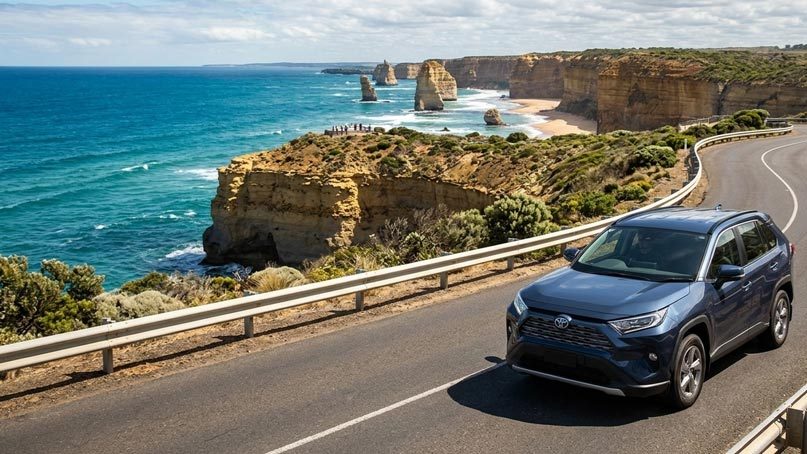
The Australian outback is huge, remote and spectacular, and the car you hire decides how much of it you can see. A compact SUV is fine for sealed highways to Uluru or the Flinders Ranges, but tracks such as the Gibb River Road need a proper four-wheel drive with high clearance and low-range gearing.
This guide explains what to look for, compares the SUVs and 4WDs you are likely to find at Australian rental desks, and lists the rental conditions that matter most once you leave the bitumen.
At a glance
1SUV, AWD or 4WD: What Is the Difference?
Rental companies often group very different cars under the same “SUV” category, so it helps to know the terms.
- 2WD SUV: higher seating and more space than a sedan, but power goes to two wheels only. Good for sealed roads.
- AWD SUV: all-wheel drive improves grip on wet roads and well-graded gravel, but most do not have low-range gearing or high clearance.
- 4WD: a true four-wheel drive, usually built on a tough ladder chassis, with low-range gearing for sand, steep tracks and river crossings.
Book by capability, not by the category name. If your route includes unsealed tracks, filter for a 4WD and confirm off-road use in the rental terms.
2The Best SUVs and 4WDs to Hire
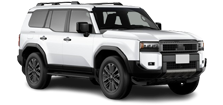
Toyota LandCruiser Prado
The Prado is a long-standing favourite for outback travel, with a strong reputation for reliability, good ground clearance and a large fuel tank. It seats up to seven and is widely available from rental fleets in outback gateway towns.
Also read: Toyota Prado rental guide
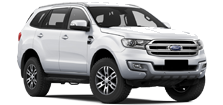
Ford Everest
The Everest combines a ladder-frame 4WD with a comfortable, modern cabin and seven seats. It is a good choice for families who want real off-road ability without giving up comfort on long highway days.
Also read: Ford Everest rental guide
Isuzu MU-X and Toyota Fortuner
These seven-seat 4WD wagons are based on popular utes, so they are tough, economical and easy to service in regional towns. They are often slightly cheaper to hire than a Prado.
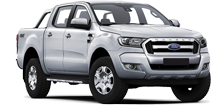
Ford Ranger and Toyota HiLux dual cab utes
A dual-cab ute is a practical choice for two to four people with a lot of gear. The open tray takes camping equipment and fuel cans, and many rental utes come with a canopy.
Also read: Ford Ranger rental guide
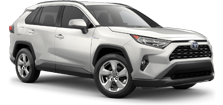
Toyota RAV4 and other AWD SUVs
For sealed outback highways, such as the Stuart Highway or the drive from Alice Springs to Uluru, an AWD SUV such as the RAV4 is comfortable and economical. It is not suited to rough tracks.
3Features That Matter in the Outback
- Ground clearance to clear rocks, ruts and washouts.
- Low-range gearing for sand, steep climbs and slow technical sections.
- Fuel range of 600 km or more, or the ability to carry extra fuel safely.
- A full-size spare tyre, ideally two for remote tracks.
- All-terrain tyres rather than road tyres.
- Space for water: plan on several litres per person per day, plus a reserve.
- Seats for everyone with their luggage: a seven-seater with all seats up has little boot space.
4Rental Rules to Check Before You Go
This is the most important part of planning an outback trip. Standard rental agreements in Australia often exclude damage on unsealed roads, beaches and off-road tracks, even when you hire an SUV. If something goes wrong in an excluded area, you can be liable for the full cost of repairs and recovery.
- Confirm whether unsealed roads are allowed, and whether that means only well-maintained gravel roads or also 4WD tracks.
- Check for named restricted roads. Tracks such as the Gibb River Road, Cape York, the Canning Stock Route and the Simpson Desert are commonly excluded unless you book a specialist 4WD hire.
- Ask whether beach driving is allowed. K’gari (Fraser Island) and similar areas usually need a dedicated 4WD rental.
- Read the excess reduction terms. Some cover options exclude single-vehicle accidents, rollovers, underbody and tyre damage.
- Check the kilometre allowance. Outback trips cover long distances, and some 4WD hires include a daily limit.
If the terms are unclear, ask the supplier to confirm in writing which roads you may drive before you pay.
5Where to Hire Your Outback Vehicle
You can often save on one-way fees and driving time by hiring close to where the outback begins. Popular pick-up points include Alice Springs, Darwin, Broome, Cairns, Perth and Adelaide. Broome and Darwin are the usual gateways for the Kimberley, Alice Springs for the Red Centre, and Adelaide for the Flinders Ranges.
Also read: Red Centre Way road trip guide
Also read: Gibb River Road road trip guide
6Packing List for an Outback Road Trip
- Water: at least several litres per person per day, plus an emergency reserve.
- Non-perishable food for at least two extra days.
- A satellite communicator or personal locator beacon.
- Offline maps and a paper map of the region.
- A tyre pressure gauge and, where allowed, a compressor for adjusting pressures on gravel.
- A first aid kit, sunscreen, hats and fly nets.
- A torch, spare batteries and a phone power bank.
- Recovery gear, such as a shovel and recovery tracks, for sandy tracks (where the rental allows them).
Ask the supplier what equipment comes with the vehicle. Some outback 4WD hires include a second spare tyre, a compressor or camping gear.
7Outback Safety Essentials
- Tell someone your route and expected arrival times.
- Carry a satellite communicator or personal locator beacon, as mobile coverage is limited.
- Check road conditions with the relevant state road authority before you leave each town.
- Never drive through floodwater, and avoid night driving because of wildlife and livestock.
- Give road trains plenty of room. Pull over safely to let them pass on narrow roads.
- If you break down, stay with the vehicle. It is easier to find than a person on foot.
Frequently Asked Questions
Do I need a 4WD to drive to Uluru?
No. The main roads to Uluru from Alice Springs are sealed, so a standard car or AWD SUV is enough. A 4WD is only needed if you plan to drive unsealed routes such as parts of the Mereenie Loop, and those must be allowed in your rental terms.
Can I take a rental SUV on gravel roads in Australia?
It depends on the supplier. Many standard rentals exclude unsealed roads, while some allow well-maintained gravel roads. Specialist 4WD hires allow more, but often still restrict named remote tracks.
Which rental 4WD is best for a family of five?
A seven-seat 4WD wagon, such as a Toyota Prado, Ford Everest or Isuzu MU-X, gives five people room for luggage with the third row folded down.
Is a ute or an SUV better for camping in the outback?
A dual-cab ute carries more gear in the tray and suits two to four people. A seven-seat SUV is more comfortable and keeps luggage secure inside, which suits families.
Summarize this blog with AI
Short on time? Open an AI assistant with this guide ready to summarize.
Australia Rent Car compares car hire from the top suppliers across Australia, with one-way trips, airport pick-ups and total prices side by side.