












Not every trip lasts a week. If you are on a working holiday, relocating for a job, waiting for a new car or touring Australia for a few months, a long-term rental can be simpler and more flexible than buying a car.
This guide explains how long-term car hire works, what it costs, how it compares with other options and what to check in the terms before you commit.
At a glance
1What Is Long-Term Car Hire?
Long-term car hire is a standard rental agreement for an extended period, usually from four weeks to several months. Some suppliers offer dedicated monthly rates, while others simply apply lower daily rates as the rental gets longer.
The supplier remains responsible for registration, maintenance and standard insurance, so you get a ready-to-drive car without the paperwork of owning one.
2Benefits of a Long-Term Rental
- Lower daily rates than short rentals, especially for bookings of 28 days or more.
- No upfront purchase and no loss when you sell the car at the end of your stay.
- Registration, servicing and roadside assistance are usually included.
- Flexibility to change car size, extend the rental or return early under the supplier’s terms.
- Newer, reliable cars with safety features, compared with many second-hand cars.
3Long-Term Hire, Leasing, Subscription or Buying?
Long-term hire
Best for stays of one to six months, or when your plans may change. You pay more per month than leasing, but you can walk away at the end.
Car subscription
A subscription bundles the car, insurance and servicing into a monthly fee, often with a minimum term and the option to swap cars. It can suit stays of several months to a year.
Leasing
Leasing usually requires a commitment of several years and suits residents. It is rarely practical for visitors.
Buying
Buying a used car can be cheaper for very long trips, but you take on registration transfer, insurance, repairs and the risk of selling at a loss when you leave.
Add up the full monthly cost of each option, including insurance, servicing and the money lost when you sell, rather than comparing headline prices.
4What Affects the Price?
- Rental length
- Car category
- Pick-up city
- Season
- Kilometre allowance
- Excess option
Small cars in major cities are usually the cheapest to hire long term. Prices are higher in peak seasons, such as summer school holidays, and in remote areas. A rental with unlimited kilometres may cost more per day but can save money if you plan to drive long distances.
Search for your full rental period on Australia Rent Car to see long-term rates from several suppliers side by side.
5What to Check Before You Book
- Kilometre limits: some long-term rentals have a monthly allowance and charge for extra kilometres.
- Servicing: ask how servicing works during the rental and whether you need to bring the car to a branch.
- Insurance excess: check the excess amount and what reduction options cost over a long period.
- Interstate and remote travel: some suppliers limit where long-term rentals can go, including unsealed roads.
- Payment: check whether you pay upfront, monthly or every four weeks, and how the deposit is held.
- Early return and extension: find out the rules and fees before you need them.
- Tolls and fines: they are passed on to you, often with an admin fee.
6How to Get the Best Long-Term Rate
- Book the full period upfront. A single 60-day rental is often cheaper than two 30-day rentals.
- Compare city and airport branches. City branches can avoid airport fees, which add up over a long rental.
- Choose a smaller car if you do not need the space. Over a month or more, the saving on rental and fuel is significant.
- Be flexible on dates around school holidays and peak seasons.
- Ask about monthly specials. Some suppliers offer dedicated long-term rates that do not show for short searches.
7Long-Term Hire for Working Holiday Makers
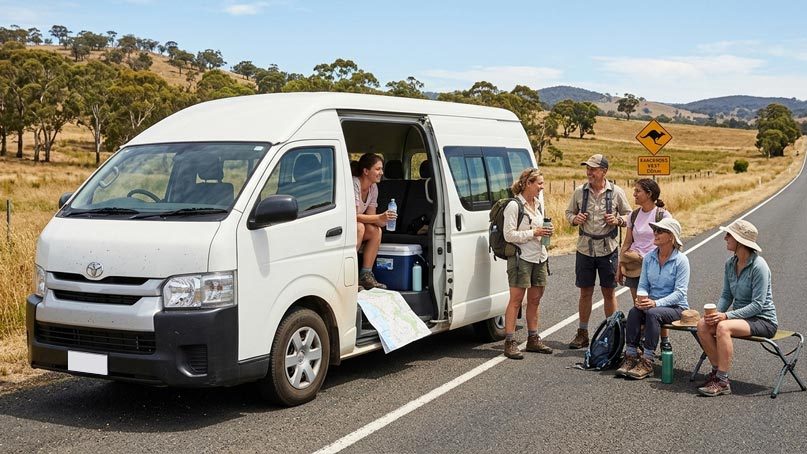
Many working holiday makers need a car to reach farm work, travel between seasonal jobs or tour the country. A long-term rental avoids the risks of buying an old car, such as unexpected repairs and the hassle of selling before you fly home.
Check the minimum age and licence requirements before you book. Drivers under 25 may pay a young driver surcharge, and some suppliers require an International Driving Permit or English translation for licences not in English.
If your work is on remote properties, confirm that the rental terms allow the roads you will need to drive, including unsealed farm roads.
8Who Uses Long-Term Car Hire?
- Working holiday makers who need a car for farm work or touring.
- People relocating for work while they settle in and decide whether to buy.
- Residents waiting for a new car to be delivered or a damaged car to be repaired.
- Travellers on extended road trips around Australia.
- Businesses that need extra vehicles for a project or busy season.
Also read: One-way car hire in Australia
Frequently Asked Questions
How long is a long-term car rental in Australia?
Most suppliers treat rentals of 28 days or more as long term. Some offer monthly rates, and rentals can often be extended for several months.
Is long-term car hire cheaper than buying a car?
For stays of a few months, long-term hire is often cheaper once you include registration, insurance, repairs and the loss when you sell. For very long stays, buying can work out cheaper.
Can I take a long-term rental car interstate?
Usually yes, but some suppliers limit interstate or remote travel on long-term rentals. Check the terms before you book.
Who services a long-term rental car?
The supplier is responsible for servicing. They may ask you to bring the car to a branch at set intervals or swap it for another car.
Summarize this blog with AI
Short on time? Open an AI assistant with this guide ready to summarize.
Australia Rent Car compares car hire from the top suppliers across Australia, with one-way trips, airport pick-ups and total prices side by side.