












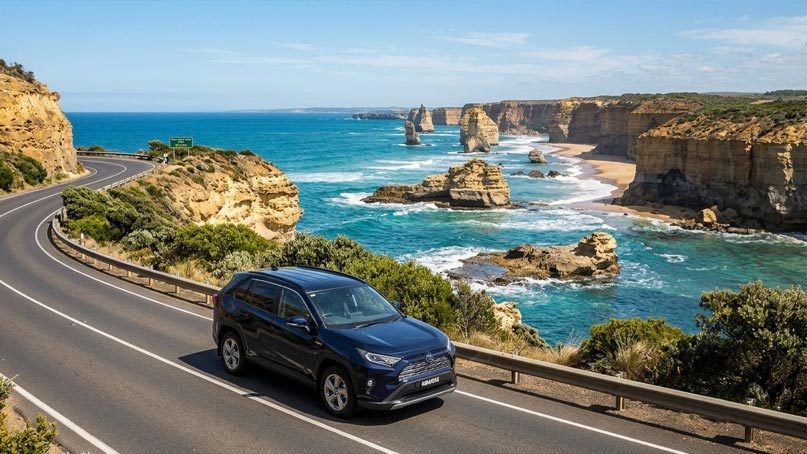
The Great Ocean Road is one of the world’s great coastal drives. It runs for about 240 km along the south-west coast of Victoria, from Torquay to Allansford near Warrnambool, past surf beaches, rainforest, waterfalls and the famous limestone stacks of the Twelve Apostles.
Many visitors try to see it in a single day trip from Melbourne, but that means hours in the car and very little time at each stop. Three days lets you drive at an easy pace, take the walks and see the Twelve Apostles at sunset. Here is how to plan it.
At a glance
1Planning Your Trip
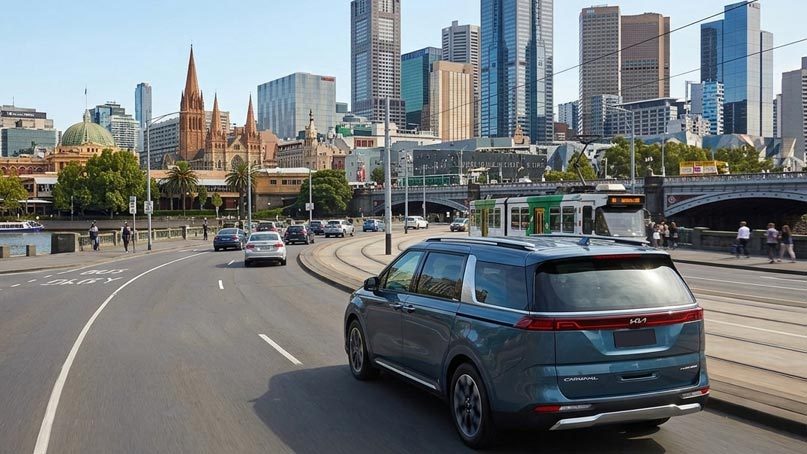
Pick up your rental car in Melbourne, either at the airport or in the CBD, and head south-west on the Princes Freeway to Geelong and Torquay. The Great Ocean Road officially starts here. Drive it from east to west, so the ocean is on your side of the road and the lookouts are easy to pull into.
Book accommodation in advance in summer and during school holidays, especially in Lorne, Apollo Bay and Port Campbell, which fill up quickly.
Fill the tank in Torquay or Geelong. There are fuel stations along the road, but prices are higher and choice is limited west of Apollo Bay.
2The 3-day Itinerary
Each day includes two to three hours of driving, leaving plenty of time for stops. Times exclude stops.
Day 1: Melbourne to Lorne
Start with the surf beaches around Torquay, including the famous Bells Beach. Continue to Anglesea and Aireys Inlet, where you can walk up to Split Point Lighthouse. Stop for a photo at the Memorial Arch at Eastern View, which marks the road built by returned First World War soldiers, then follow the coast into Lorne.
- Bells Beach
- Split Point Lighthouse
- Memorial Arch
- Erskine Falls
Day 2: Lorne to Apollo Bay and the Otways
This is the most dramatic section of the road, cut into cliffs above the sea. Look for koalas in the trees at Kennett River, then continue to Apollo Bay. In the afternoon, drive into the Great Otway National Park for the Maits Rest rainforest walk and the Cape Otway Lightstation.
- Teddy’s Lookout
- Kennett River koalas
- Maits Rest rainforest
- Cape Otway Lightstation
Day 3: Twelve Apostles and back to Melbourne
Head west through the Otways to the Shipwreck Coast. Visit the Twelve Apostles early, before tour buses arrive, then explore Gibson Steps, Loch Ard Gorge, London Bridge and the Bay of Islands. Return to Melbourne on the faster inland route through Colac, or stay a fourth night in Port Campbell or Warrnambool.
- Twelve Apostles
- Gibson Steps
- Loch Ard Gorge
- London Bridge
- Bay of Islands
Also read: Great Ocean Road road trip planner
3Driving Tips for the Great Ocean Road
- The road is narrow and winding, with many tight bends. Keep to the speed limit and use the signed pull-outs to let faster traffic pass.
- Never stop on the road to take photos. Use the lookouts and parking areas.
- Visitors from right-hand-traffic countries should take extra care: there are signs on the road reminding drivers to keep left.
- Watch for cyclists, wildlife and tour buses, especially on the cliff sections between Lorne and Apollo Bay.
- Allow more time than the navigation app suggests. Average speeds are low on the busiest sections.
4Choosing a Rental Car
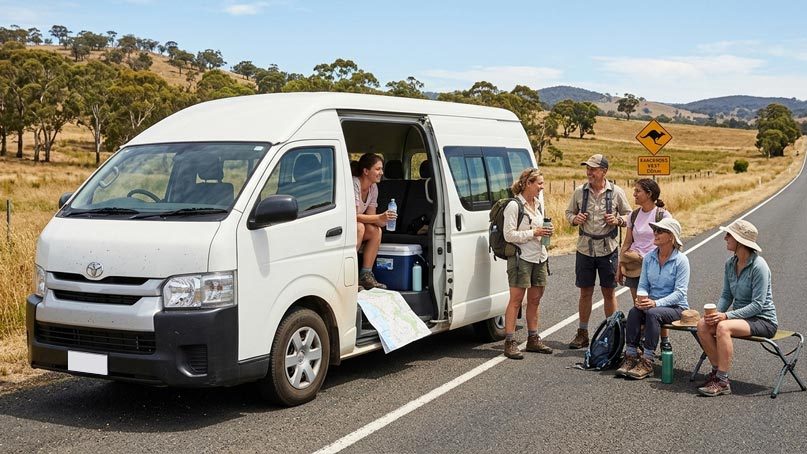
The Great Ocean Road is fully sealed, so you do not need a 4WD. A compact car or small SUV is easy to park in busy towns and economical on fuel. A larger SUV or a people mover suits families with luggage. In winter, a car with good headlights and wipers makes the wet, dark afternoons in the Otways more comfortable.
Compare cars from Melbourne Airport and the Melbourne CBD with Australia Rent Car to find the best price for your dates.
Also read: Car rental in Melbourne
5Where to Stay and Eat
Lorne has the widest choice of places to stay and eat on the eastern half of the road, from beachfront apartments to cafés along Mountjoy Parade. Apollo Bay is a relaxed fishing town with a harbour, good seafood and easy access to the Otways. Port Campbell is small but the closest base to the Twelve Apostles, which makes sunset and sunrise visits easy.
Many visitors finish in Warrnambool or Port Fairy, which have more accommodation and good restaurants. If you want to camp, there are campgrounds in the Great Otway National Park and holiday parks in most towns; book ahead in summer.
6Extending Your Trip
With an extra day or two, continue west past Warrnambool to the historic fishing village of Port Fairy, or head inland to the Grampians National Park for walks, waterfalls and lookouts. Another option is to keep going along the coast into South Australia and finish your trip in Adelaide with a one-way rental.
Also read: Melbourne to Adelaide one-way car hire
7When to Visit
Summer, from December to February, brings warm weather and busy beaches, so book early. Autumn and spring are quieter and often have clear, calm days. Winter is cooler and wetter, but the rainforest waterfalls are at their best and the crowds are smaller. Southern right whales can sometimes be seen from the coast between June and September.
Frequently Asked Questions
Can you do the Great Ocean Road in one day?
You can drive to the Twelve Apostles and back in one long day, but it means around eight hours of driving and very short stops. Two or three days lets you see the highlights without rushing.
Which direction is best for driving the Great Ocean Road?
Driving from east to west, starting in Torquay, keeps you on the ocean side of the road, which makes it easier and safer to pull into the coastal lookouts.
Do I need a 4WD for the Great Ocean Road?
No. The road is fully sealed and suitable for any rental car. A compact car or small SUV is the most practical choice.
Where should I stay on a three-day Great Ocean Road trip?
Lorne and Apollo Bay are the best bases for the first two nights. Port Campbell is the closest town to the Twelve Apostles if you add a third night.
Summarize this blog with AI
Short on time? Open an AI assistant with this guide ready to summarize.
Australia Rent Car compares car hire from the top suppliers across Australia, with one-way trips, airport pick-ups and total prices side by side.