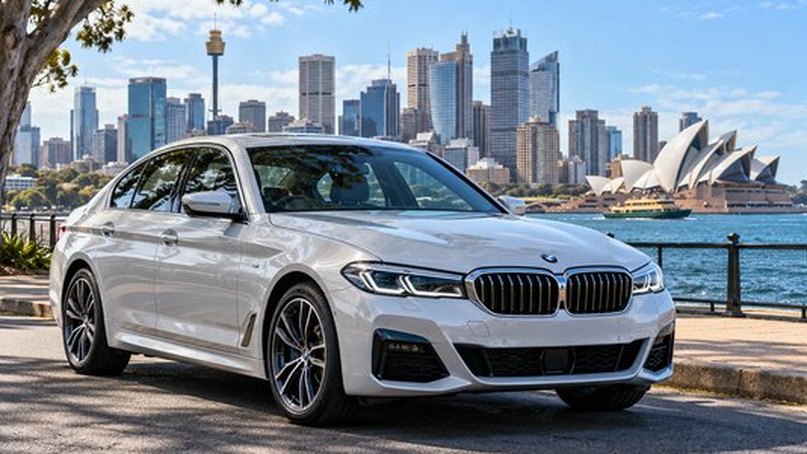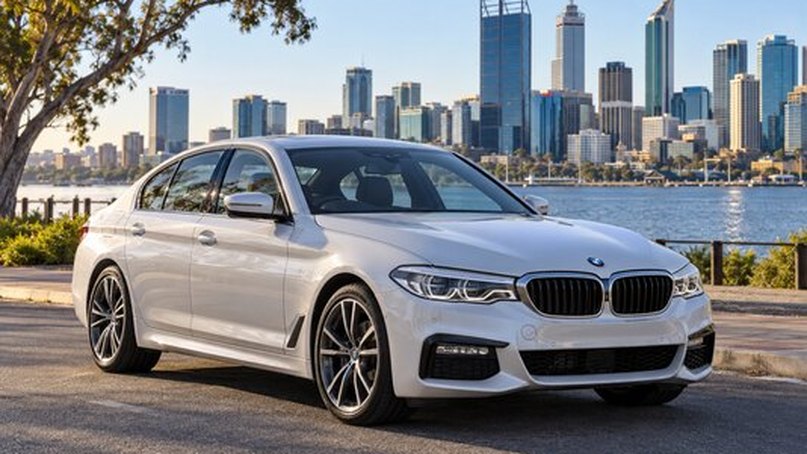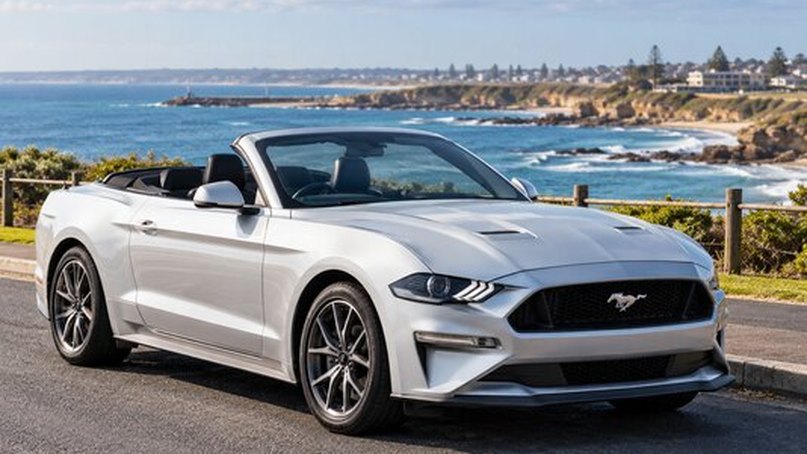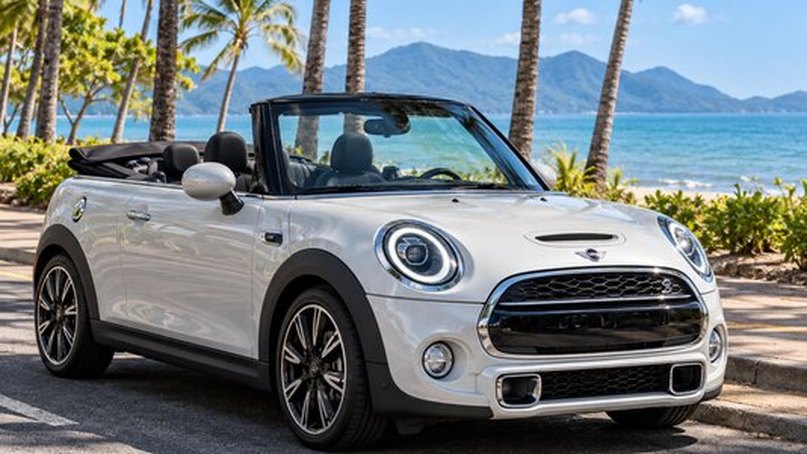
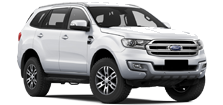
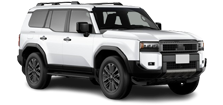
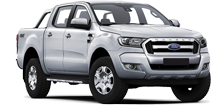
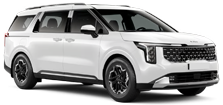
A week-long road trip in Australia for two people typically costs somewhere between about A$2,000 on a tight budget and A$5,000 or more in comfort. The car and fuel are a large part of it, and fuel in particular costs more in 2026 than it did a year ago.
Here is a budget built from current average prices, with notes on where you can save.
At a glance
1Sample Budget for Two People
| Item | Budget | Mid-range | Comfort |
|---|---|---|---|
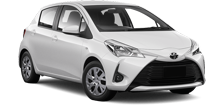
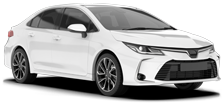
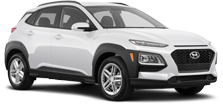
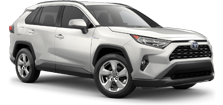
| Car rental, 7 days | A$560 (economy, off-airport) | A$700 (compact SUV) | A$1,050 (SUV + zero excess) |
| Fuel, 1,200 km | A$175 | A$220 | A$290 |
| Accommodation, 6 nights | A$720 | A$1,200 | A$1,800 |
| Food, 7 days | A$560 | A$840 | A$1,260 |
| Tolls, parking, activities | A$150 | A$350 | A$700 |
| Total | About A$2,165 | About A$3,310 | About A$5,100 |
Illustrative figures for planning, based on 2025 average rental rates and October 2026 fuel prices.
2Car Rental
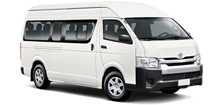
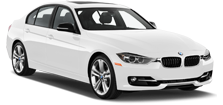
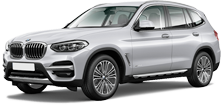
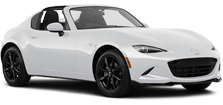
Average daily rates in 2025 ran from about A$84 to A$105 nationally, with economy cars around A$88 and premium SUVs over A$200. Add excess cover, extra drivers, any one-way fee and tolls.
Also read: How much does it cost to rent a car in Australia?
3Fuel
The national average for unleaded was 242.1c a litre in the week to 18 October 2026, up from 181c in March. For 1,200 km, an economy car at 6 L/100 km uses about 72 litres (about A$175); a mid-size SUV at 10 L/100 km about 120 litres (about A$290). Prices are higher in remote areas.
A hybrid can cut the fuel bill by a third or more on a long trip.
4Three Sample Routes
| Route | Distance | Car | Fuel at 242c/L |
|---|---|---|---|
| Great Ocean Road loop from Melbourne | About 650 km | Compact car | About A$95 |
| Sydney to Brisbane on the coast (one-way) | About 1,000 km | Compact SUV | About A$170 |
| Tasmania loop from Hobart | About 1,300 km | Compact SUV | About A$220 (higher prices in Tasmania) |
Fuel estimates for planning only. A one-way rental also adds a one-way fee.
Also read: Great Ocean Road 3-day itinerary
Also read: Tasmania 7-day road trip
5Hidden Costs to Remember
- One-way fees for trips that finish in a different city.
- Tolls and toll admin fees around Sydney, Melbourne and Brisbane.
- National park entry passes, for example in Tasmania and parts of Queensland.
- Ferry fares, such as the Daintree River ferry or the Spirit of Tasmania.
- Parking in city centres and at popular attractions.
- Young-driver and additional-driver fees.
Add 10 to 15 per cent to your budget for things you will only discover on the road.
6Accommodation and Food in Detail
Accommodation is usually the largest cost after the car. Holiday park cabins and motels are the budget options in regional areas, with hotels and apartments in cities and resort towns costing more, especially on weekends and in school holidays. Food costs depend on how often you eat out: self-catering breakfasts and picnic lunches from supermarkets keep daily spending down, while café breakfasts and restaurant dinners for two can add A$100 or more a day.
7Ways to Spend Less
- Travel outside school holidays.
- Choose an off-airport depot and a smaller car.
- Mix motels and holiday parks with cabins.
- Self-cater breakfasts and picnic lunches.
- Plan a loop to avoid one-way fees.
Frequently Asked Questions
How much does a week-long road trip in Australia cost?
For two people, roughly A$2,000 on a budget to A$5,000 or more in comfort, including car, fuel, accommodation and food.
How much is fuel for an Australian road trip?
At about 242c a litre in October 2026, allow roughly A$15 per 100 km for a small car and A$24 per 100 km for a large SUV.
Is a road trip cheaper than flying between cities?
For two or more people with stops on the way, often yes once you count the sightseeing.
How far should I drive in 7 days?
About 1,000 to 1,500 km is comfortable with time to stop.
Summarize this blog with AI
Short on time? Open an AI assistant with this guide ready to summarize.
Australia Rent Car compares car hire from the top suppliers across Australia, with one-way trips, airport pick-ups and total prices side by side.